
Heard of stone washed quilts but unsure what they are? This confusion can make sourcing difficult. Let’s demystify the process and what makes these quilts special.
A stone washed quilt is a textile product processed with stones in an industrial washer. This mechanical abrasion softens the fabric, creates a gentle, worn-in texture, and gives it a unique, slightly faded appearance. It's prized for its immediate comfort and durability.
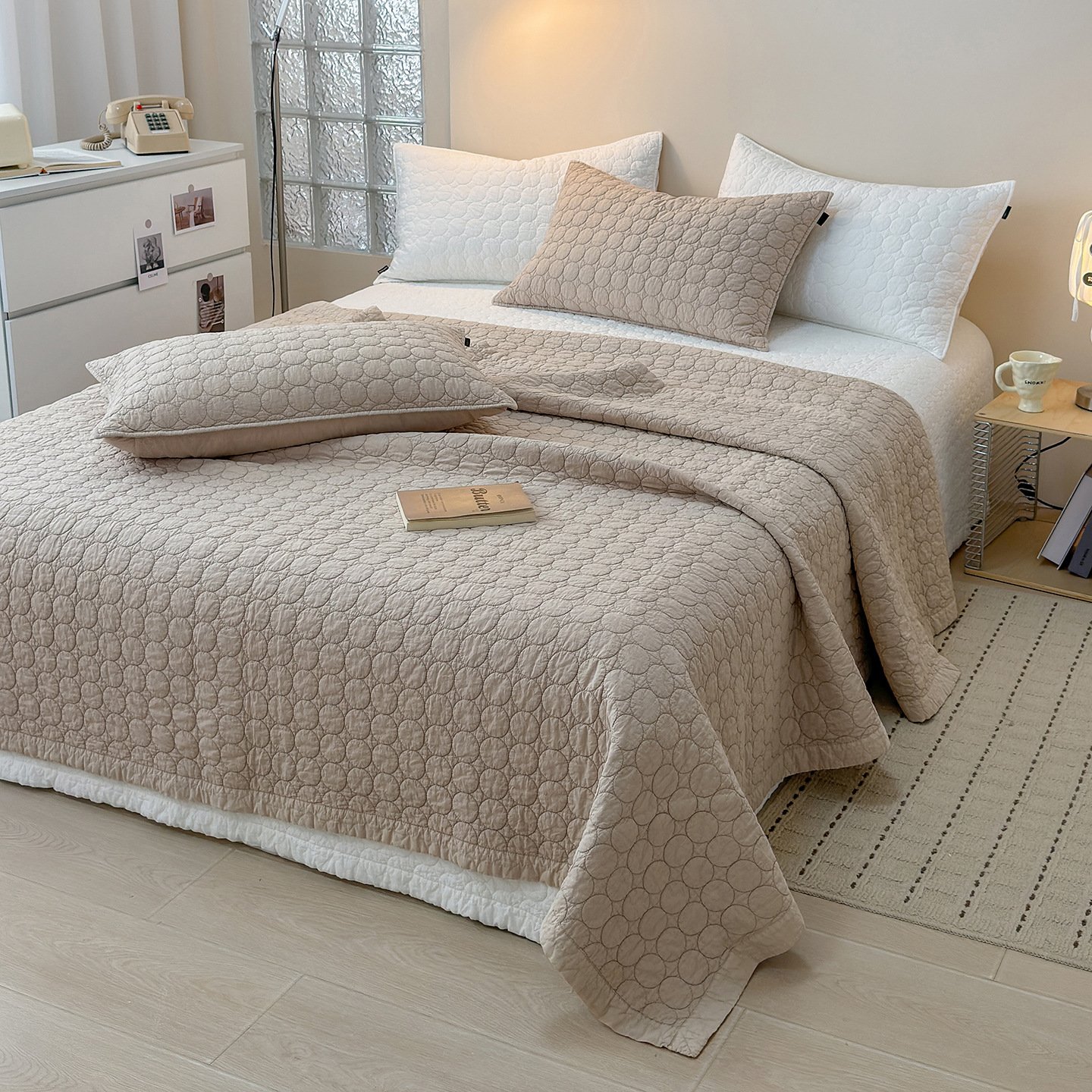
The result is a quilt that feels soft and looks vintage from day one. But how does this actually happen inside a factory? Understanding the science and the steps involved can help you make better sourcing decisions. Let’s dive into the physics of the process first. It's more than just throwing rocks in a washer.
What Is the Physics of Stone Washing, and How Does It Create That Soft, Matted Texture?
The term "stone washing" sounds simple. But the science behind its soft texture can be a mystery. Understanding it helps you spot true quality and avoid poor imitations.
Stone washing uses physical abrasion. As the quilt tumbles with stones (often pumice) in a large washer, the stones' rough surfaces rub against the fabric. This friction gently breaks down and loosens the stiff outer fibers of the yarn, creating a much softer, more pliable texture.
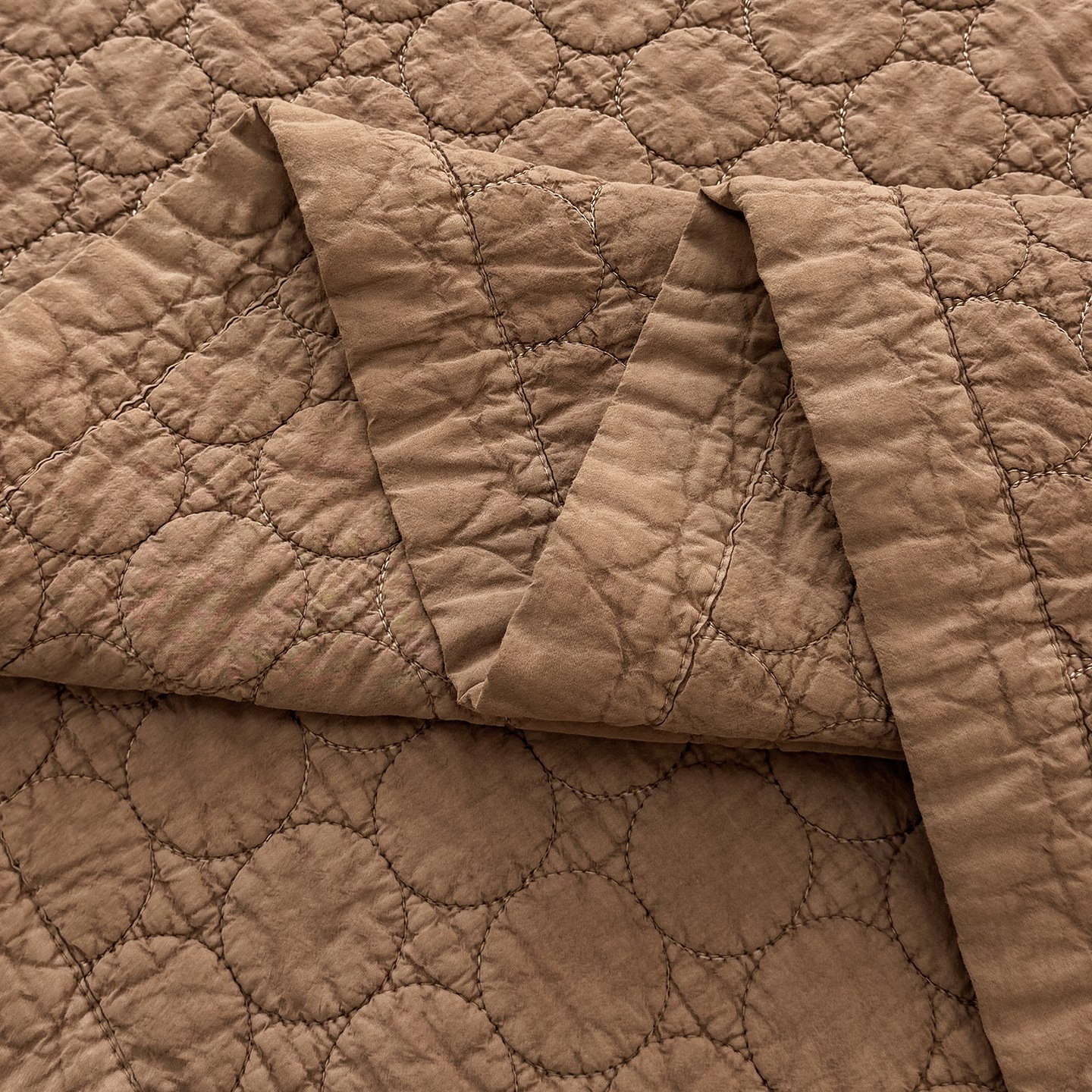
The core of stone washing is a controlled mechanical process. It’s not just about making the fabric look old; it’s about fundamentally changing its feel.
How Abrasion Changes the Fabric
Imagine a brand new cotton thread. It's tight, smooth, and a bit stiff. During stone washing, we put the finished quilt into a massive industrial washing machine along with abrasive materials. As the drum rotates, these materials constantly rub and impact the fabric surface. While "stone" is in the name, the most common material is pumice stone because it's lightweight and porous, providing effective abrasion without being overly harsh. This physical friction does two things:
- Softens Fibers: It breaks the "skin" of the cotton or linen fibers, making them fluffier and much softer to the touch.
- Creates Visual Texture: It subtly lifts the fibers, creating a matted, non-glossy finish. This also gently removes surface dye, resulting in a slightly faded, lived-in look.
The key is control. The size of the stones, the machine's load ratio, and the cycle time all determine the final look. For a gentler effect, an enzyme wash can be used, where enzymes eat away at the cellulose on the surface, achieving softness with less physical stress on the fabric.
| Feature | Standard New Fabric | Stone Washed Fabric |
|---|---|---|
| Texture | Stiff, smooth, crisp | Soft, pliable, relaxed |
| Appearance | Uniform color, slight sheen | Faded, matte, vintage look |
| Feel | Needs "breaking in" | Soft and comfortable from day one |
This is how a simple physical process creates a product with so much character.
What Are the Exact Industrial Processing Steps Involved in a Factory Stone-Washing Line?
You want to source stone washed quilts, but a vague understanding of production is risky. You need clear steps to ensure quality. Here’s a transparent look at our factory process.
The process starts with selecting high-quality fabric like cotton or linen. We then sew the quilt, wash it with stones for softness and texture, dye it to the desired color, and finish it by trimming threads and ironing. Each step is carefully controlled for a consistent result.
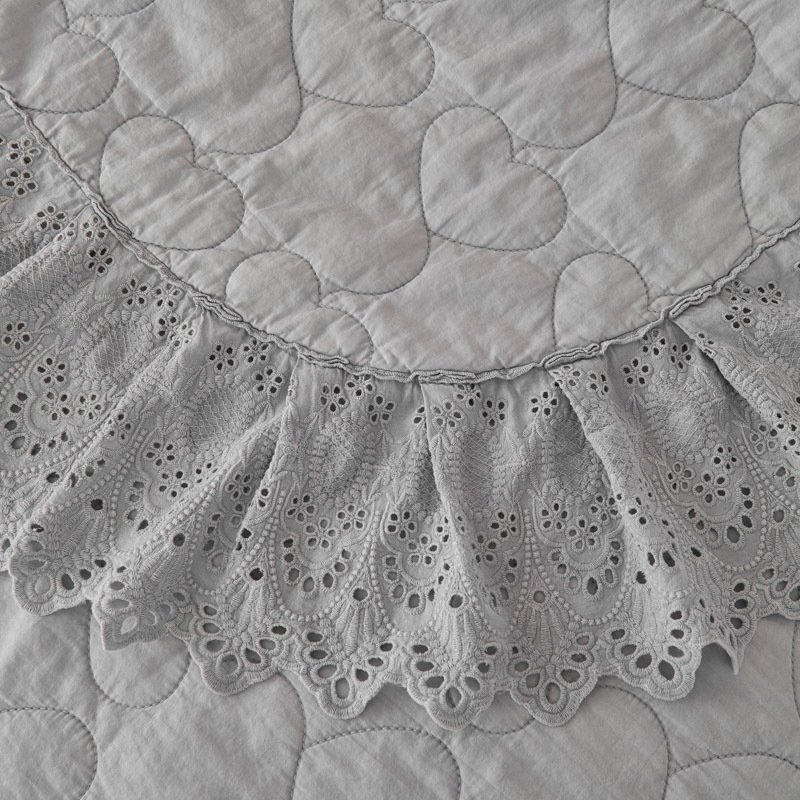
Turning raw fabric into a beautifully soft stone washed quilt involves a precise sequence of events. While the concept is simple, execution is everything. In my 13 years in this business, I've seen how skipping or rushing steps ruins a batch. Here's how we do it right.
Step 1: High-Quality Fabric Selection
It all begins with the material. We use 100% cotton or linen. These natural fibers are breathable, but also strong enough to withstand the intense stone washing process without tearing. We inspect the raw fabric for flaws before it even enters production.
Step 2: Sewing the Quilt
Next, we cut the fabric and sew it into the final quilt form, complete with filling. It's crucial to do this before the wash, so the entire product gets the treatment for a consistent look. Stitching must be strong to endure the tumbling.
Step 3: The Industrial Stone Wash
The sewn quilts are loaded into huge washing machines with pumice stones. The machine tumbles for an extended period, allowing the stones to abrade the fabric. We control the stone-to-fabric ratio and cycle time to achieve the exact level of softness and fade you want.
Step 4: Dyeing and Finishing
After washing, the quilts are dyed. Dyeing after the abrasion is what creates the signature look, as the dye adheres differently to the fibers. After dyeing, they are rinsed and a final softening agent is often added.
Step 5: Final Touches and Meticulous Inspection
Finally, each quilt is dried, ironed, and moves to our inspection table. This is a critical step. Our team trims every loose thread and performs a multi-point check: we look for any fabric damage from the stones, ensure the color is consistent with the approved sample, and verify that the final dimensions are correct after potential shrinkage. Only after passing this inspection is it carefully folded and packaged.
Looking for a Reliable Quilt Partner? How Can We Tailor Our Production to Your Brand’s Specific Vision?
Finding a supplier who listens is tough. Massive factories have rigid rules, while smaller ones may lack experience. This friction costs you time and money. We offer a partnership that adapts to you.
We work with you directly. For established wholesalers, my 13 years of experience ensures quality and smooth communication. For emerging brands, we offer low MOQs, custom designs, and patient guidance to help you build a unique product line. We are your flexible, reliable production partner.
A good product is only half the battle; a good partner makes all the difference. My business is built on being the partner I always wished I had. We serve two types of clients, and we understand your distinct needs.
For the Seasoned & Meticulous Global Buyer
You're tired of the endless email chains and delivery dates that slip without warning. You just want a reliable supplier who delivers consistent quality. With my 13 years in international trade, I act as your anchor. We start by creating a detailed Production Order (PO) sheet that leaves no room for ambiguity on specs like stitch density, colorfastness, or shrinkage control. I personally oversee quality control at key stages. This eliminates the communication friction because I understand your standards and can translate them directly on the factory floor. You get transparency and reliability, not excuses. Let us handle the production headaches so you can focus on selling.
For the Passionate, Emerging Brand
You have a strong vision but struggle with the high MOQs and intimidating technical requirements of large factories. We thrive on helping brands like yours grow. We are patient and will listen to your unique design ideas. For example, we can offer flexible solutions like a lower MOQ for your first collection, and include custom label and packaging services. We want to be your collaborative partner, helping you create soulful products that tell a story. Whether it's a specific stone wash finish you've sketched out or an authentic piece from our Guizhou botanical dye series, we're here to help you scale your vision into a reality.
Conclusion
Stone washed quilts offer unique softness and style. Understanding the process and finding the right flexible partner are key to bringing this beautiful product successfully to your market.