Struggling to get your products into major European retailers? The complex standards and high risks can feel impossible to overcome. But a strategic partnership can make it happen.
Yes, absolutely. With the right partnership between a knowledgeable local importer and a capable Chinese manufacturer, China-made quilts can meet and exceed the strict standards of giants like Carrefour. This collaboration is key to navigating compliance, quality, and logistics successfully.
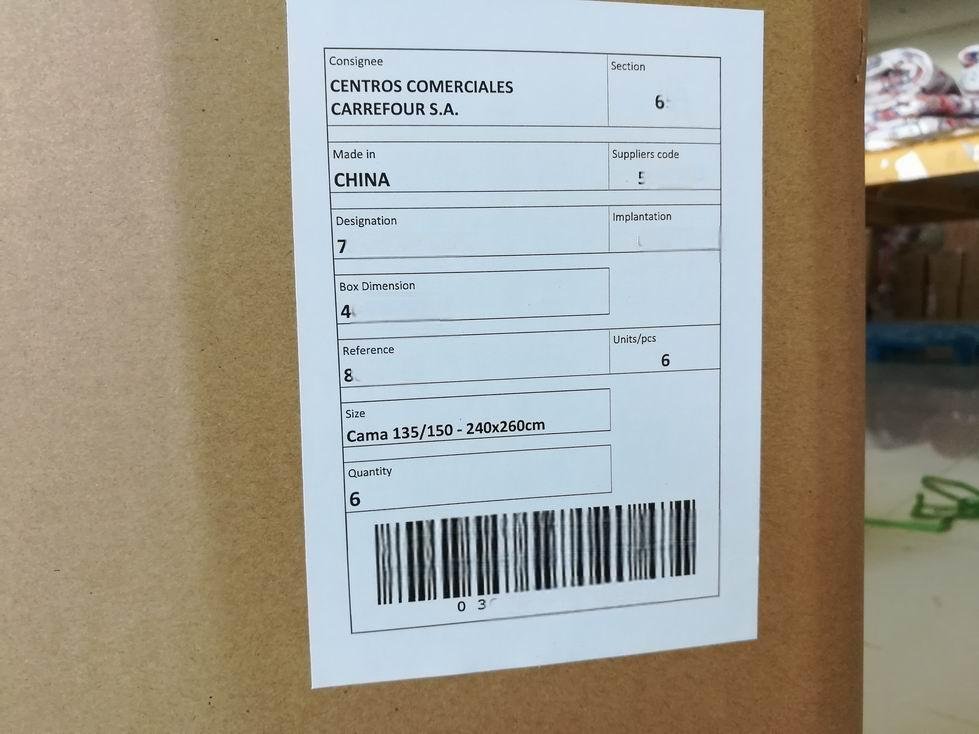
I remember it clearly. It was 2017, and a Spanish client I had met at the Canton Fair three years earlier came to me with a huge opportunity: a chance to supply quilts to Carrefour. This was a massive step up from the smaller orders we had been doing together. It was a moment that proved how the right partnerships can open the biggest doors. Many people wonder how products from a factory like mine in China end up on the shelves of a European giant. It's not as simple as they might think. Let me walk you through how it really works, based on my firsthand experience.
How Do European Home Textile Brands Supply Mass Retailers Like Carrefour?
Think you can sell directly to big box stores in Europe? The reality is they rarely deal with overseas factories directly. They rely on a trusted local network to manage the process.
Mass retailers like Carrefour prefer working with established local importers and distributors. These partners handle sourcing, quality control, import logistics, and financial risks, creating a buffer between the retail giant and the overseas factory. They are the essential link in the chain.
The Local Importer Is the Key
When I first started working with my Spanish client, whom I'll call Client A, our business began with small, steady orders. Over three years, we built a strong relationship based on trust and consistent quality. By 2017, we were handling 60-70% of their quilted product needs. This deep trust is what allowed Client A to confidently bid for the Carrefour contract. Client A, as a Spanish company with a local tax ID (N.I.F. number), was the perfect partner for Carrefour. They acted as the local, on-the-ground expert. They understood the Spanish market, and they took on the financial and logistical risks of importing. For a huge corporation like Carrefour, this is the ideal setup. They want a single, simple point of contact in their own country, not the headache of managing dozens of international suppliers.
Why This Model Reduces Risk
This indirect sourcing model is all about minimizing risk for the retail giant. Imagine if Carrefour had to manage international payments, customs clearance, quality control, and potential product returns with a factory thousands of miles away. The complexity and potential for error would be enormous. It's much safer and more efficient for them to place a large order with a trusted domestic importer like Client A. The importer then has the responsibility of finding a reliable manufacturing partner in China—like us—to produce the goods to the exact specifications required.
| Party | Key Responsibilities |
|---|---|
| Mass Retailer (Carrefour) | Places large volume orders, defines product needs, focuses on retail sales. |
| Local Importer (Client A) | Handles import duties, customs, local logistics, quality assurance, and financial risk. |
| Chinese Manufacturer (Elyfu) | Produces goods to spec, manages production quality, ensures timely delivery to the port. |
This structure allows each party to focus on what they do best.
What Are the Strict Compliance and Quality Standards for Importing China Quilts into Europe?
Worried about European import regulations? One mistake in compliance or quality can lead to rejected shipments and huge losses. Knowing the key standards is your first defense and non-negotiable.
Key standards include material safety, strict quality control on physical properties (stitch density, colorfastness, shrinkage), accurate labeling, and compliant packaging. Meeting these isn't optional; it's the ticket to entry for the European market.
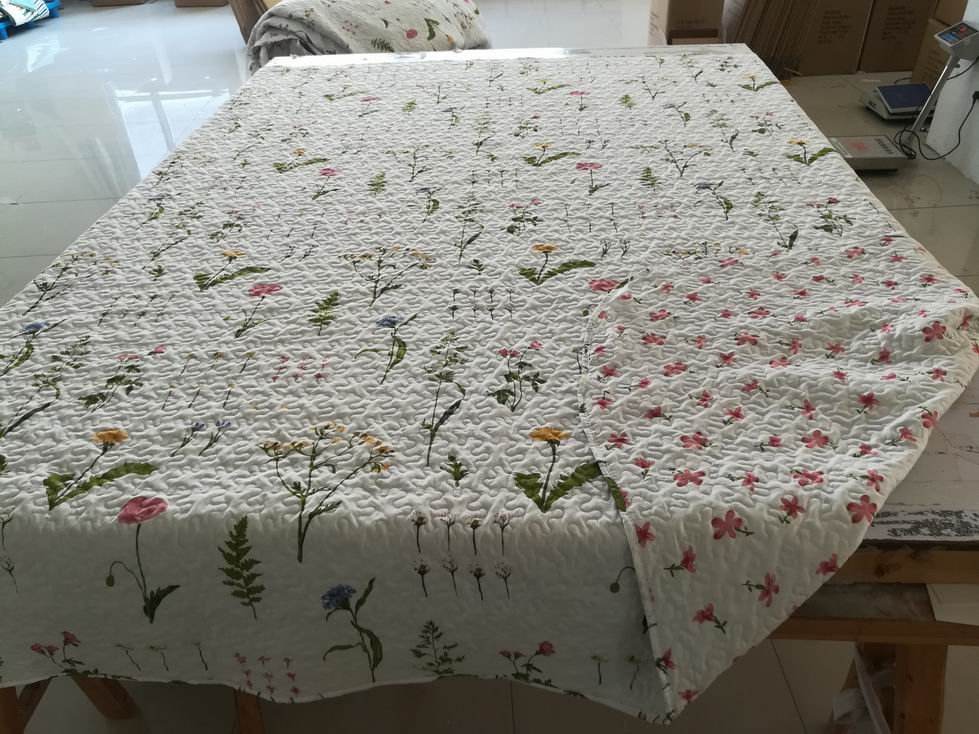
When we took on the Carrefour order with Client A, the list of requirements was long and incredibly specific. This is not something you can learn overnight. European regulations are some of the strictest in the world, and for good reason. They are designed to protect consumers. For us, this meant every single component of the quilt, from the fabric and filling to the sewing thread, had to be certified. The products also needed to meet retail standards, ensuring they were free from harmful substances. This is the baseline. If you cannot prove this level of quality, the conversation with any serious European buyer is over before it starts.
Quality Is More Than Just a Word
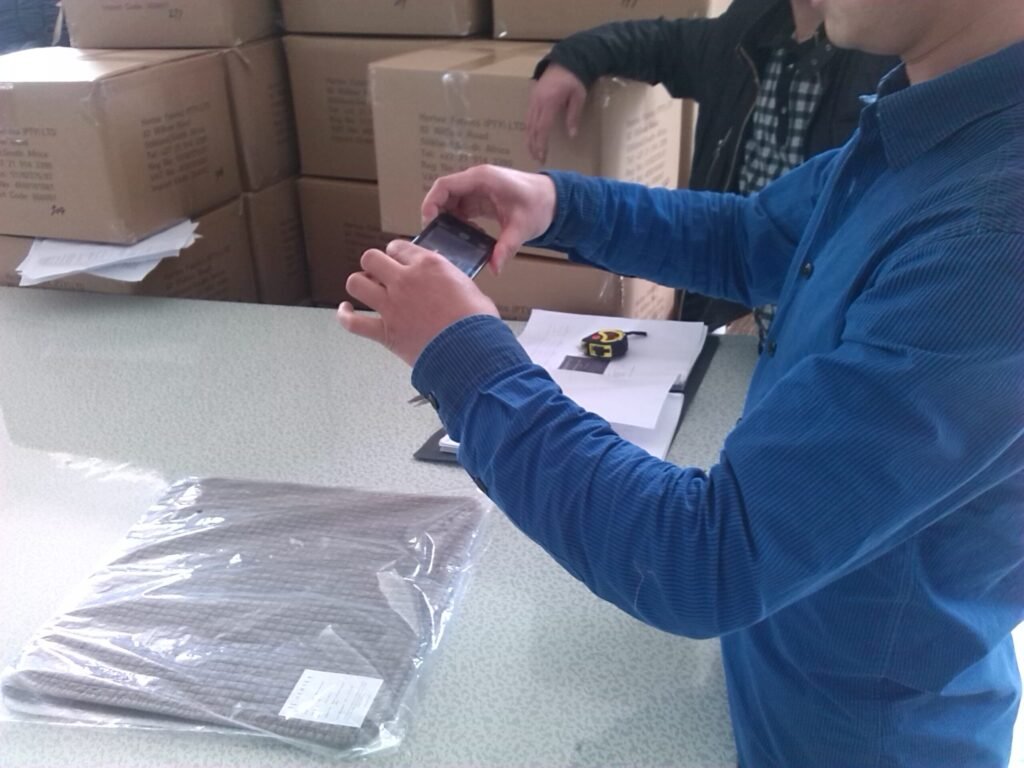
Carrefour had precise specifications for every aspect of the quilt. We had to guarantee a certain stitch density to ensure durability. We performed extensive testing for colorfastness to make sure the colors wouldn't bleed or fade after washing. We also had to control the shrinkage rate to within a very tight tolerance. My team and I worked closely with Client A, sending numerous lab-dips for color approval and pre-production samples to confirm every detail. This wasn't just about making a quilt; it was about engineering a product to perform perfectly according to a strict set of rules.
Why Is Partnering with an Experienced OEM/ODM Manufacturer Key to Winning Mass Market Orders?
Trying to manage a complex order alone? Balancing cost, quality, design, and logistics can be overwhelming for an importer. An experienced partner acts as your co-pilot, guiding you to success.
An experienced OEM/ODM manufacturer is more than a supplier; they are a strategic partner. They provide solutions, not just products. They help balance cost and quality, offer design and packaging advice, and ensure stable production and timely delivery for large-scale orders.
The Difference Between a Supplier and a Partner
Any factory can give you a price. A true partner gives you value that goes far beyond that price. For the Carrefour project, my role wasn't just to manufacture quilts. It was to act as a consultant and problem-solver for Client A. They knew the European market, and I knew manufacturing in China. Together, we found the perfect balance between cost and quality. For example, we explored different fabric compositions and quilting patterns that would meet Carrefour's quality standards while keeping the product within a target price point. I provided suggestions on the packaging design, ensuring the color card and polybag were not only attractive but also durable and cost-effective. This collaborative approach is what makes an OEM/ODM partner invaluable. We become an extension of your team.
Delivering Value Beyond Price
A cheap price is meaningless if the quality is poor or the delivery is late. For a massive order like the one for Carrefour, the ability to deliver a large volume of products with consistent quality, on a strict timeline, is critical. This is what we call "Scalable Yield." My 13 years in this business have taught me how to manage production schedules, anticipate potential bottlenecks, and build a supply chain that can handle pressure. We made sure every quilt in that large shipment was identical to the approved sample. This reliability is the hidden value that an experienced manufacturer brings. It’s the peace of mind that allows an importer like Client A to confidently serve a demanding client like Carrefour.
| A Simple Supplier | A Strategic Partner (like Elyfu) |
|---|---|
| Provides a price quotation. | Provides solutions and cost-engineering. |
| Waits for instructions. | Offers proactive advice on design and packaging. |
| Focuses on one transaction. | Focuses on a long-term, win-win relationship. |
| Can handle small orders. | Guarantees scalable yield for large, stable orders. |
This partnership was a win-win. We helped Client A succeed, and their success became our success.
Conclusion
Succeeding in the European mass market requires more than a good product. It demands a strategic partnership between a savvy importer and an experienced, solution-oriented Chinese manufacturer.